Residential septic tank pumping
Residential pumping suits homes and smaller properties near West End when the tank opening, inlet and outlet can be reached safely.
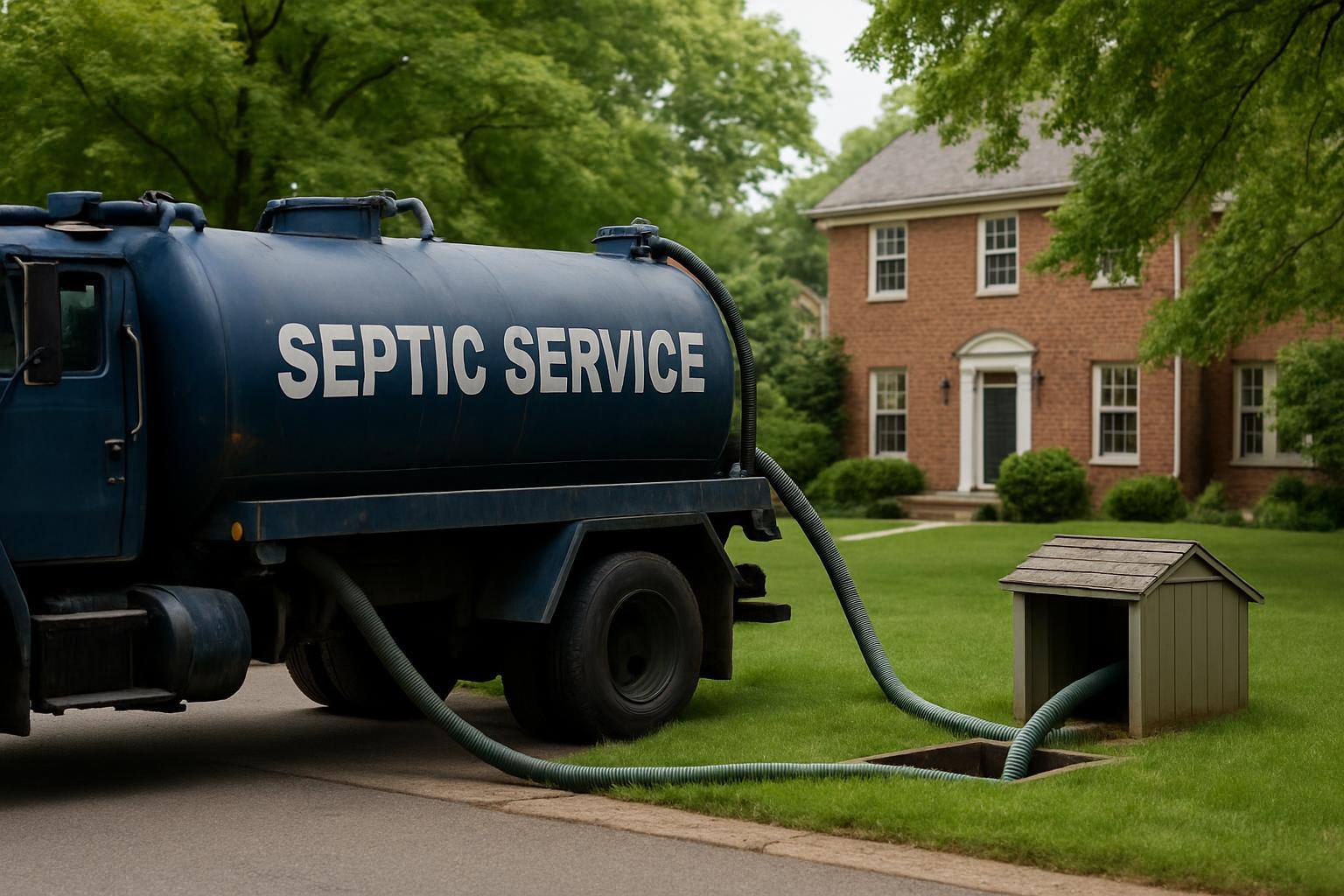
Septic tank pumping · Foggy Bottom, DC
Along the Potomac edge near the National Mall, institutional septic work has tight access and heavy traffic. One phone call gets the tank, access points and job conditions sorted before dispatch.
A real person answers · No forms · No waiting on a quote email
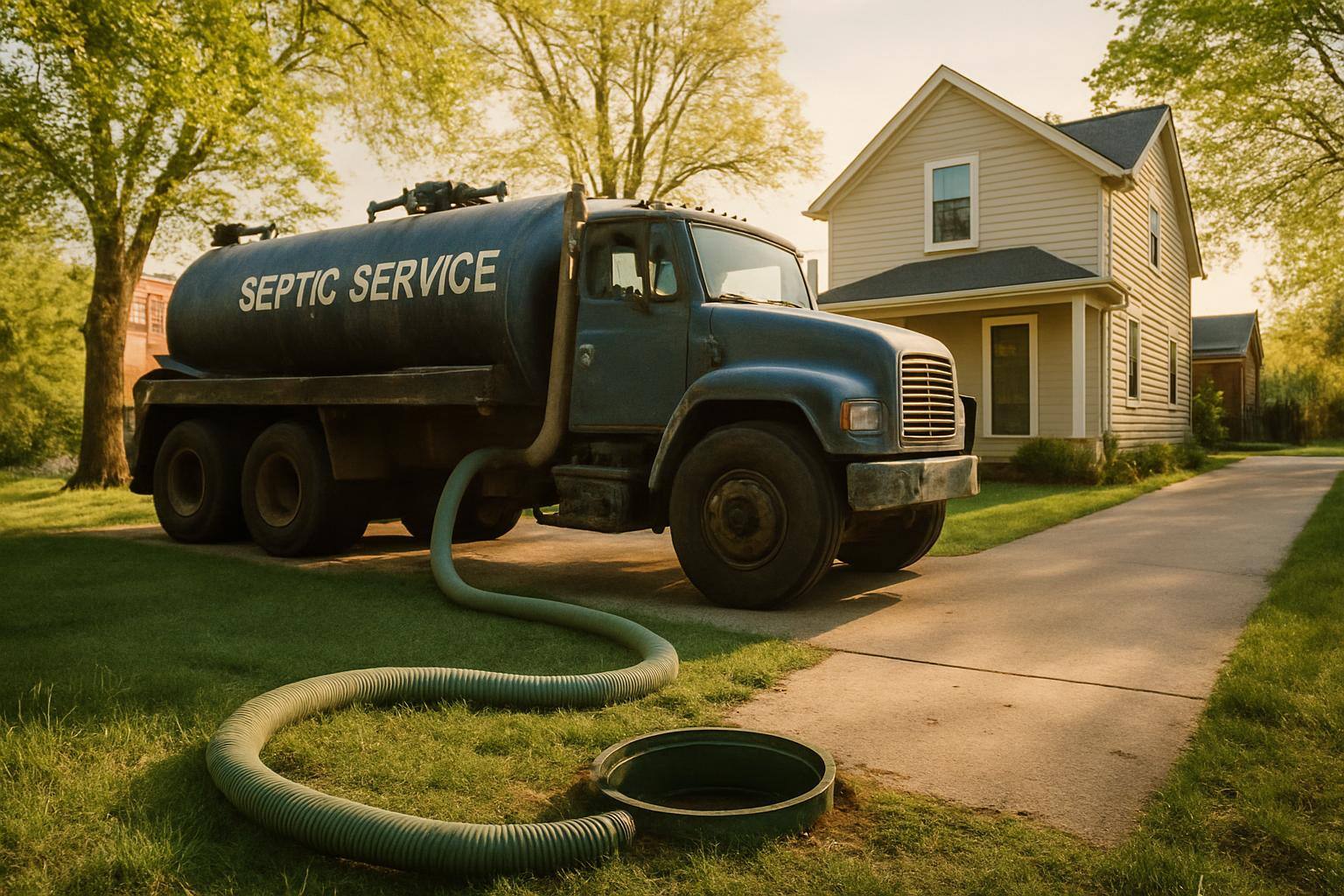
Size
Foggy Bottom homes often fit a standard tank, while institutional sites near the Potomac may need a commercial tank assessment based on multiple tanks or treatment components.
Quote
The quote is given on the call, with cost shaped by tank size, access, pumping time, material and distance.
Date
The service date is set on the call around site access, institutional traffic and any required placement approval.
From West End and the George Washington University area to the Potomac waterfront, Foggy Bottom properties mix older homes, apartments and institutional buildings. Septic tank service here may involve restricted loading areas, stormwater exposure, winter freezes and active corridors near the National Mall.
Services
Foggy Bottom
Foggy Bottom combines apartment buildings, older residential pockets, university facilities and major institutional properties. That mix changes how a septic tank service is planned. A standard residential tank may have limited inlet and outlet access, while a Potomac-side commercial site may have multiple tanks, risers or treatment components behind controlled loading areas.
Residential pumping suits homes and smaller properties near West End when the tank opening, inlet and outlet can be reached safely.
Backup response in Foggy Bottom starts with access and system details, especially where dense traffic limits equipment positioning near busy corridors.
Commercial pumping handles institutional systems near the Potomac that may include multiple tanks, risers or treatment components.
Inspection pumping helps Foggy Bottom property managers locate openings and review tank condition before a sale, repair or maintenance decision.
Maintenance planning suits older residential properties and institutional sites around George Washington University where access details should be recorded before trouble.
Grease trap pumping removes fats, oils and grease from food service systems in and around Foggy Bottom before wastewater reaches the sewer.
Sewer line cleaning addresses line concerns separately from tank pumping, useful for dense Foggy Bottom properties with shared or difficult-to-reach runs.
The standard tank is the common starting point for a household system in Foggy Bottom, including older homes and apartment properties with accessible openings. Institutional work near the Potomac needs a commercial tank review because capacity and components vary widely.
Typically serves a smaller household system and requires access to a standard residential tank opening.
A small tank can fit a smaller Foggy Bottom household system when there is a standard residential tank opening and straightforward access from the property approach.
A common household tank often holds about 1,000 gallons and needs accessible inlet and outlet openings.
A standard tank suits a common household system, often holding about 1,000 gallons, with accessible inlet and outlet openings at a home near West End.
A larger household tank commonly holds about 1,500 gallons and may require extended pumping time.
A large tank fits a larger household system, commonly holding about 1,500 gallons, and may need extended pumping time at a restricted Foggy Bottom property.
Commercial systems vary widely in capacity and may include multiple tanks, risers or treatment components.
A commercial tank is the right discussion for institutional sites near the Potomac, where multiple tanks, risers or treatment components may be present.
A grease trap separates fats, oils and grease from wastewater before it reaches the sewer system.
A grease trap suits food service wastewater systems in Foggy Bottom, separating fats, oils and grease before wastewater enters the sewer system.
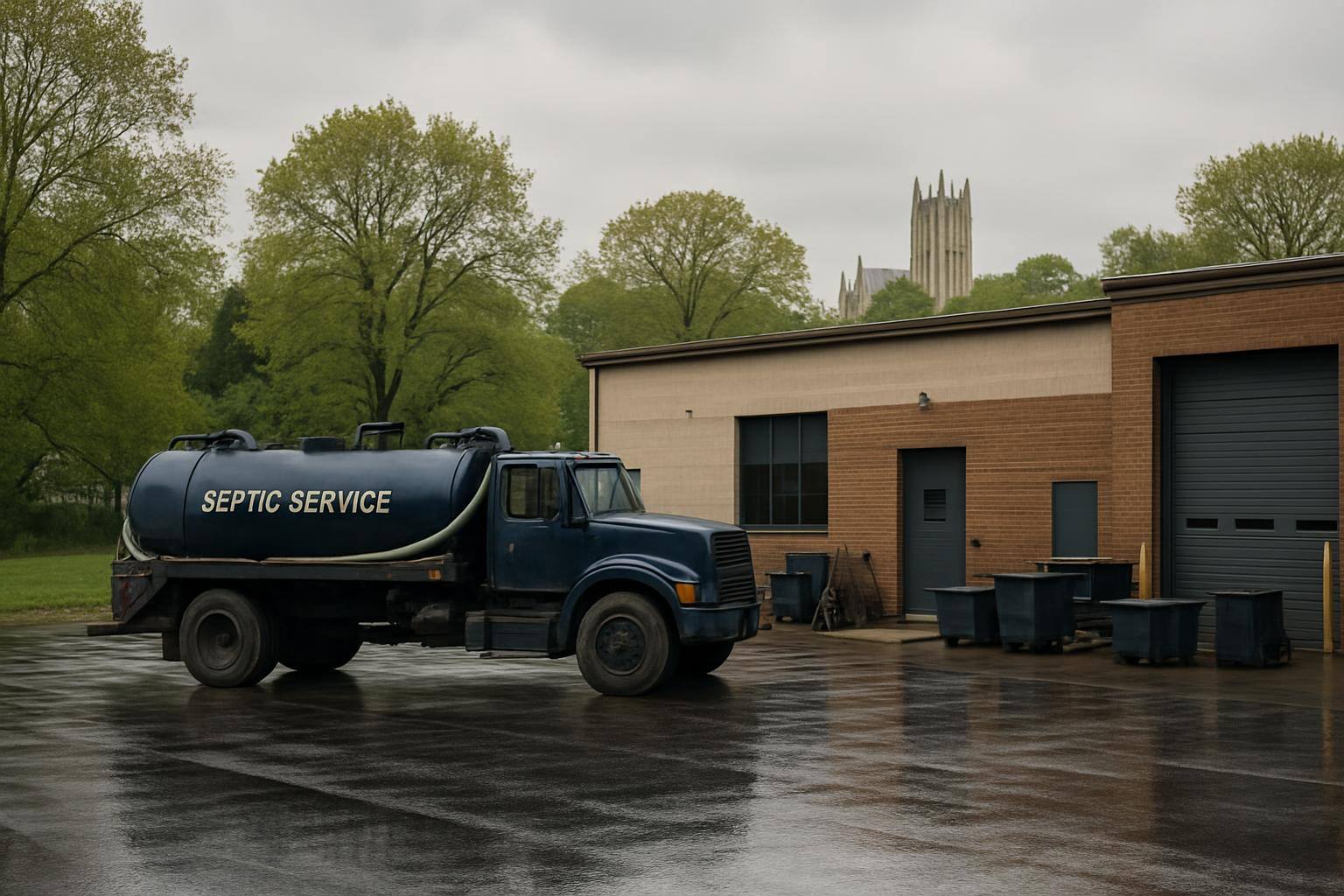
Cost
The exact quote is given on the call after the system and site are described. Cost depends on tank or trap size, material, pumping time, access, distance, placement limits and the service needed.
Capacity changes equipment needs and pumping time, from a small household tank to a commercial system or grease trap at an institutional property.
Distance from the truck approach to a Foggy Bottom tank, plus narrow drives, controlled loading areas or dense traffic, can change the work involved.
Wastewater, solids and grease do not handle the same way. Material type affects pumping conditions, handling requirements and the quoted cost.
Stormwater exposure, frozen ground, multiple openings and treatment components near the Potomac can add inspection and pumping complexity.
To avoid surprise charges, describe the tank or trap, access route, visible risers, material and any backup before the quote. The exact price is given on the call after those conditions are reviewed.
What goes in
This category covers household septic systems at Foggy Bottom homes and residential properties, including a standard tank with accessible inlet and outlet openings.
Commercial systems cover institutional work near the Potomac, including a load involving multiple tanks, risers or treatment components.
Grease traps serve food service wastewater systems in Foggy Bottom and separate fats, oils and grease before wastewater reaches the sewer.
Not accepted. The service does not cover hazardous chemicals, unknown industrial waste, items outside septic or grease systems, or materials the operator cannot safely handle.
Projects
Routine service keeps household systems in Foggy Bottom and West End reviewed before solids or access problems become urgent.
Emergency pumping addresses backups at Foggy Bottom homes or institutional properties, with access and traffic conditions reviewed first.
Home sale service documents a tank cleaning for residential properties near George Washington University and other Foggy Bottom housing.
Inspection cleaning helps identify openings, tank arrangement and pumping needs before a Foggy Bottom property transaction or repair.
Commercial service suits institutional sites near the Potomac where multiple tanks, risers or treatment components affect the work plan.
Grease trap pumping serves food service locations around Foggy Bottom and removes fats, oils and grease from the wastewater system.
Backup response for District of Columbia County properties begins with symptoms, tank access and the limits created by dense institutional traffic.
Share the property use, tank or trap type, known capacity, symptoms, openings and any institutional access rules.
Identify the opening, inlet, outlet, risers or treatment components, then explain gates, loading zones and the truck approach.
The operator positions equipment where ground and overhead conditions allow, then pumps the identified tank or grease trap.
After pumping, discuss visible access concerns, system arrangement and practical maintenance points for the Foggy Bottom property.
Weather
Foggy Bottom humidity can leave ground soft near the Potomac, while stormwater surges can obstruct or expose access areas. Winter freezes may affect lids, soil and hoses, so mention standing water, frozen ground or recent storms when setting the service date.
Placement
Service usually goes beside a home, behind an apartment or within an institutional service area, as close as practical to the tank opening. Dense traffic, campus controls, narrow approaches, overhead lines, sidewalks and soft ground can limit the position.
Permits
Private property usually needs no permit for tank service. Placement in a Foggy Bottom street, alley, boulevard or sidewalk area needs approval from the District of Columbia government. Ask about any fees, application steps and approval duration when discussing the site.
Condominium, covenant or landlord rules may control access, parking, quiet hours and service placement in District of Columbia County. Check the property rules before arranging work, especially for shared residential approaches or managed institutional grounds.
The service spot needs a usable approach, enough width for equipment, overhead clearance and firm ground near the access opening. Seasonal leaves, stormwater, ice and parked vehicles can reduce usable space, while Foggy Bottom traffic may require a controlled loading plan.
Service covers Foggy Bottom residential streets, the West End edge, the George Washington University area, the Potomac waterfront and institutional corridors near the National Mall. Nearby Dupont Circle, Georgetown, Logan Circle, Adams Morgan and Shaw are also linked service areas.
Not sure about your street? Ask on the call and we will tell you which office handles it.
Timing
Routine pumping and inspections often become busier before property sales, maintenance cycles and seasonal occupancy changes. In Foggy Bottom, spring storms can bring stormwater surges, while winter freezes complicate lids, ground and equipment access. Institutional sites near the Potomac should discuss scheduling constraints before the preferred date.
Frozen lids, soil and standing water can slow access at residential and institutional properties. Describe freeze conditions and any cleared route when arranging Foggy Bottom septic tank service.
Spring rain can leave Potomac-adjacent ground soft or affected by stormwater surges. Keep the opening identifiable and explain standing water or changed loading access before service.
Service area
Foggy Bottom is part of our District of Columbia County coverage, and we also serve the neighboring communities below.
Why us
Foggy Bottom jobs often sit beside active institutional traffic, controlled loading areas and Potomac-side moisture. The operator needs the opening location, approach, site rules and ground condition before choosing equipment placement.
Depot Dumpster Service · Foggy Bottom
Older homes, apartments and university facilities can present very different systems. Describing the tank, risers, treatment components and recent symptoms helps separate a standard household service from commercial pumping or grease trap work.
Click Here to Call (315) 228-9768FAQs
Still have a question about Foggy Bottom? Call (315) 228-9768 and ask a real person.
The exact quote is given on the call and depends on tank or trap size, material, access, pumping time, distance, placement and site conditions. Foggy Bottom traffic, controlled loading areas and Potomac-side ground can affect the work involved, so have the property layout and access route ready.
A standard tank is the common starting point for a Foggy Bottom household system, often holding about 1,000 gallons and needing accessible inlet and outlet openings. A smaller or larger tier may fit after the household system, opening and access are described.
Septic tank cleaning and pumping is a service rather than a dumpster rental, so the service date and work scope are set on the call. For separate dumpster needs, the standard rental is 7 days, with extensions by the day.
The service handles residential septic systems, commercial septic systems and grease traps. Describe whether the Foggy Bottom site has household wastewater, a commercial system or a grease trap, along with any known material concerns.
Hazardous chemicals, solvents, unknown industrial waste and materials outside septic or grease systems are not covered. Do not add these materials to a tank or trap, and explain any unusual contents before service is arranged.
Private property usually needs no permit, but street, alley, boulevard or sidewalk placement needs approval from the District of Columbia government. Ask about fees, application steps and approval duration if the truck or equipment cannot remain on private property.
Driveway placement may work if the approach, width, overhead clearance and ground support are suitable. Move vehicles, identify gates and mention shared drives, soft ground, ice or institutional traffic before the service date is set.
The service date is set on the call after access, site rules and placement are reviewed. Dense institutional traffic, controlled loading areas and stormwater conditions near the Potomac may affect the available date.
Yes, humidity, stormwater surges and winter freezes can affect ground, lids, hoses and access. Mention standing water, frozen soil or recent storms so the operator can plan around the actual property conditions.
Yes, commercial septic tank service can address institutional systems near the Potomac, including sites with multiple tanks, risers or treatment components. Provide the facility access rules, tank locations, loading limits and any traffic restrictions before the quote.
A real person answers · No forms · Every quote given on the phone