Residential septic tank pumping
Household systems in Columbia Heights often need access checked around rowhouse additions, paved yards, and narrow side passages before pumping.
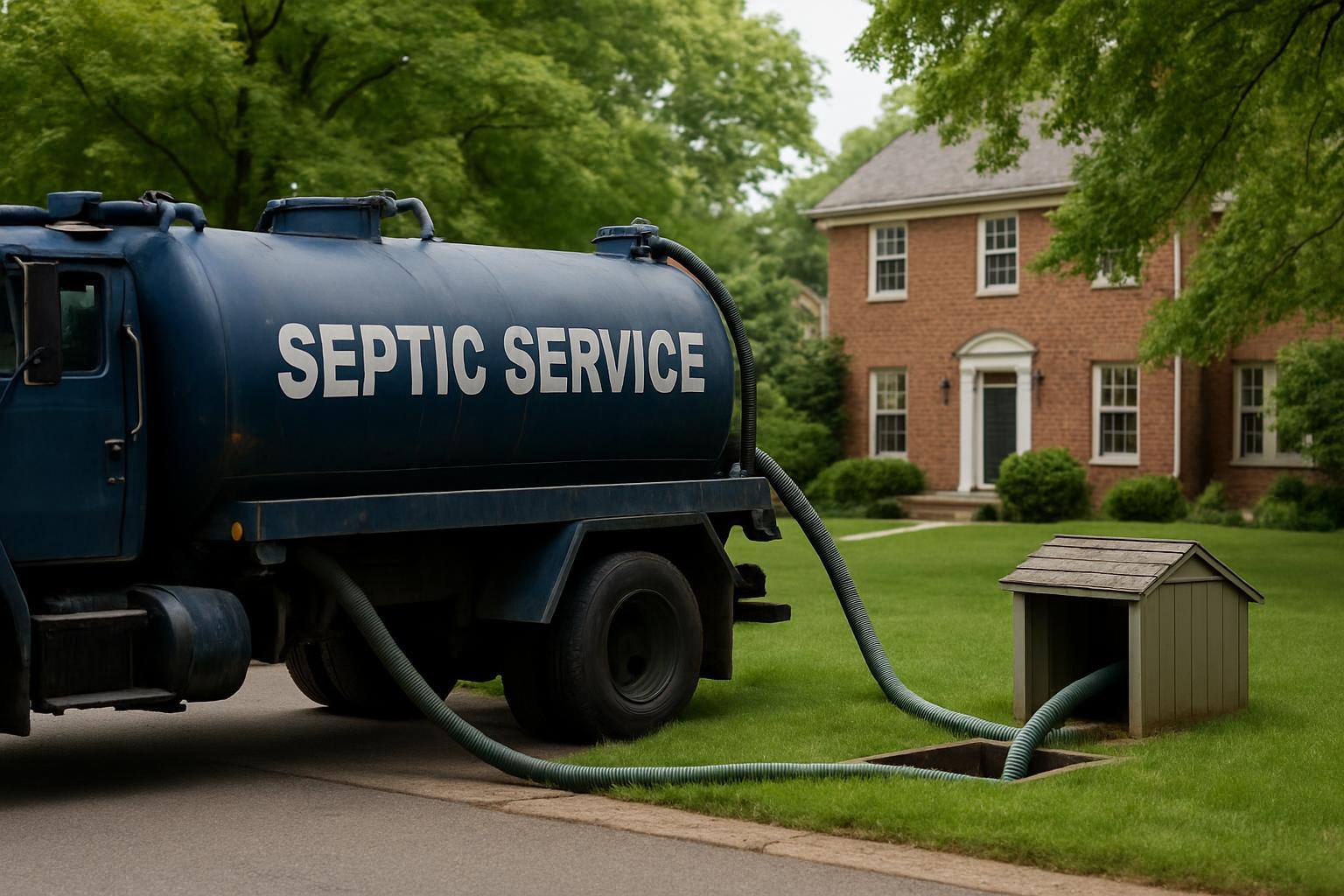
Septic tank pumping · Columbia Heights, DC
A Columbia Heights rowhouse renovation can leave a tight side passage, paved access, and an aging private system to sort out. One phone call gets the tank service matched to the property.
A real person answers · No forms · No waiting on a quote email
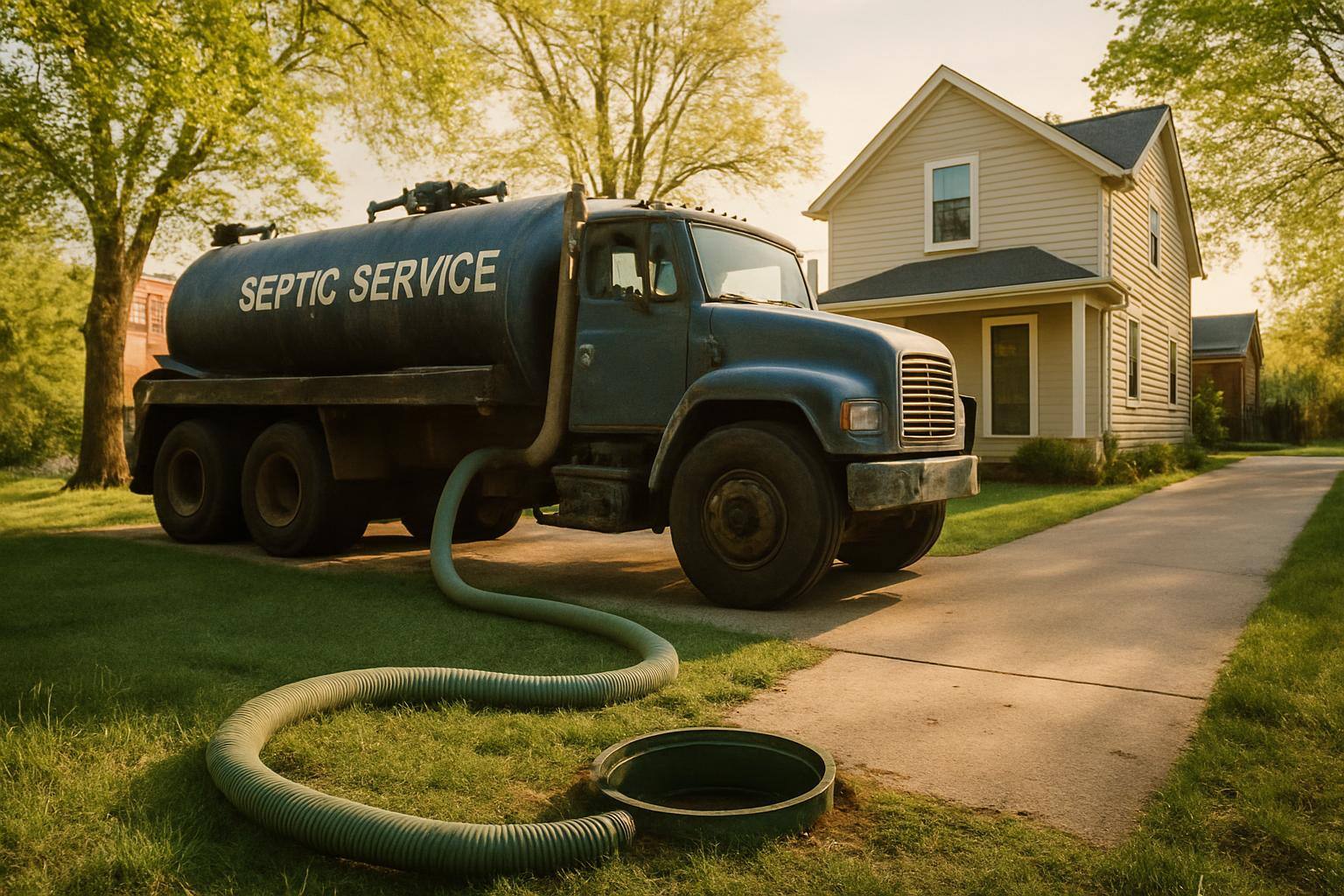
Size
Most Columbia Heights household jobs fit a standard tank, but rowhouse access and the tank opening decide whether a small tank or larger setup is right.
Quote
The quote is given on the call, based on tank size, access, pumping work, material, distance, and rental period.
Date
The service date is set on the call after access, placement, and the property schedule are reviewed.
From Georgia Avenue rowhouses to properties near 14th Street, Columbia Heights Metro, and Meridian Hill, tight paved sites make access part of the job. We sort routine pumping, renovation-related service, inspections, backups, and grease trap work around the actual opening and approach.
Services
Columbia Heights
Columbia Heights has compact rowhouse blocks, narrow paved approaches, active renovations, and commercial spaces along busy corridors. Those conditions can limit where equipment stands and how the tank opening is reached. Residential pumping, inspections, emergency response, grease trap work, and sewer line cleaning are planned around the property layout rather than treated like an open suburban lot.
Household systems in Columbia Heights often need access checked around rowhouse additions, paved yards, and narrow side passages before pumping.
For backups near Georgia Avenue or 14th Street, describe the symptoms and last service so the response is matched to the system.
Commercial systems around Columbia Heights corridors may have multiple tanks, risers, or treatment components requiring a more careful access review.
Inspection work helps identify openings, inlet and outlet conditions, and access limits before a Columbia Heights renovation or property transaction.
Maintenance planning suits older rowhouse properties where paving, additions, and limited working room can hide access problems.
Food service spaces along 14th Street and nearby Columbia Heights blocks may need grease trap service coordinated around the working kitchen.
Sewer line cleaning addresses line restrictions and backups where compact paved sites make cleanout location and equipment placement especially important.
The standard tank is the common starting point for a Columbia Heights household system, including many rowhouse properties. The actual recommendation depends on the tank opening, inlet and outlet access, system layout, and whether renovation work has changed the approach.
Typically serves a smaller household system and requires access to a standard residential tank opening.
A small tank can suit a smaller Columbia Heights household system when a standard residential tank opening is accessible through a compact paved yard or side approach.
A common household tank often holds about 1,000 gallons and needs accessible inlet and outlet openings.
A standard tank commonly fits household work in Columbia Heights rowhouses when accessible inlet and outlet openings can be located without moving major site obstructions.
A larger household tank commonly holds about 1,500 gallons and may require extended pumping time.
A large tank may suit a bigger household system or a property with extended pumping needs, including renovated Columbia Heights homes with limited staging room.
Commercial systems vary widely in capacity and may include multiple tanks, risers or treatment components.
A commercial tank fits varied systems near Columbia Heights business corridors, especially where multiple tanks, risers, or treatment components require separate access planning.
A grease trap separates fats, oils and grease from wastewater before it reaches the sewer system.
A grease trap suits food service properties in and around Columbia Heights, where fats, oils, and grease must be separated before wastewater reaches the sewer system.
Cost
The exact quote is given on the call after the system is described. Cost depends on tank or trap size, pumping scope, access, distance, service date, rental period, and the material being removed.
Small, standard, and large residential tanks differ in capacity and pumping needs, while commercial systems may involve multiple tanks or treatment components.
Distance from the Columbia Heights street, alley, or parking approach to the opening affects hose reach, equipment positioning, and the work required.
The material being removed, including wastewater, solids, or grease, affects handling and overage charges when applicable to the quoted service.
Tight rowhouse yards, active renovations, paving, overhead limits, and blocked approaches can change labor, equipment positioning, and the overall service cost.
To avoid surprise charges, describe the opening, tank type, distance from the approach, renovation obstacles, material, and any backup before the quote is prepared. The exact quote is given on the call.
What goes in
This category covers household tanks serving Columbia Heights properties, including a typical rowhouse system where the opening is reached through a paved yard or narrow side passage.
Commercial systems can include multiple tanks, risers, or treatment components near Columbia Heights business corridors, so the system layout should be described before service.
Grease traps separate fats, oils, and grease from wastewater before it reaches the sewer system, making them suitable for restaurant and food service loads near 14th Street.
Not accepted. Do not place prohibited chemicals, hazardous materials, construction debris, or unapproved waste in the system, and do not assume sewer line work covers tank pumping.
Projects
Routine service keeps a Columbia Heights household system or commercial tank maintained, with access and opening conditions reviewed before pumping.
Backup response in Columbia Heights starts with the symptoms, affected fixtures, tank access, and whether recent renovation work changed the system.
For a home sale near Georgia Avenue or 14th Street, service can document accessible openings and identify maintenance needs before the transaction.
Inspection cleaning and pumping helps evaluate a private system at a Columbia Heights property where paving or additions make access difficult to see.
Commercial service in District of Columbia County accounts for system layout, multiple tanks, risers, treatment components, and the working conditions of the site.
Restaurant grease trap service near Columbia Heights corridors focuses on fats, oils, grease, kitchen access, and keeping the work area usable.
A backup at a Columbia Heights rowhouse requires clear symptom details, tank location, access distance, and information about recent weather or construction.
Explain the property type, tank or trap, recent symptoms, last known service, renovation activity, and the route to the opening.
Identify the tank, risers, inlet, outlet, or grease trap opening, noting paving, walls, parked vehicles, and narrow side access.
The service is planned around the available approach, hose distance, tank or trap material, and working room at the Columbia Heights property.
After pumping, review access concerns, visible system conditions, maintenance needs, and practical steps for the property owner or manager.
Weather
Humid summers can make exposed work uncomfortable, while intense rainfall may saturate ground around an opening or bring on backups. Occasional snow can narrow paved approaches and cover access points. Weather conditions in Columbia Heights are reviewed when setting the service date and checking the route.
Placement
At Columbia Heights properties, the service usually works from a driveway, rear alley, paved side passage, or another route that reaches the tank opening. Closely spaced rowhouses, parked vehicles, fences, renovations, overhead lines, and limited turning room can restrict equipment placement and hose distance.
Permits
Private property usually needs no permit for tank service placement. If equipment or hoses must use a Columbia Heights street, alley, boulevard, or sidewalk, approval comes from the District of Columbia government. Ask about any fees, application details, and approval duration on the call.
Condominium, cooperative, HOA, covenant, and landlord rules in District of Columbia County can control parking, alley use, work hours, or access across shared property. Confirm those rules with the property manager or owner before the service is scheduled.
The spot needs a workable approach from the street or alley, enough width for the equipment, clear overhead space, and firm ground that can support the work. In Columbia Heights, clear parked cars, renovation materials, snow, and loose debris from the route before service.
Service covers Columbia Heights properties around Georgia Avenue, 14th Street, Columbia Heights Metro, and nearby rowhouse blocks, including residential and commercial corridors. Nearby service areas include Petworth, Adams Morgan, Logan Circle, Dupont Circle, and Shaw, subject to the property access and system details.
Not sure about your street? Ask on the call and we will tell you which office handles it.
Timing
Demand can increase during humid summer work, active renovation periods, and after intense rainfall exposes drainage or backup problems. Winter brings occasional snow that can cover openings and restrict narrow paved approaches. Columbia Heights rowhouse sites need access reviewed before the date is set, especially when parking and construction staging compete for the same space.
Humid weather and active rowhouse renovations can bring more tank inspections, routine pumping, and access questions. Keep the opening identified and the paved route clear of materials.
Intense rainfall can reveal backups, while occasional snow can cover lids and narrow alleys. Clear the approach and mention standing water or snow when arranging service.
Service area
Columbia Heights is part of our District of Columbia County coverage, and we also serve the neighboring communities below.
Why us
Columbia Heights rowhouses leave little room for staging, so tank access, hose distance, alley conditions, and renovation materials are checked before the service is planned. That prevents a routine pumping job from being treated like an open-lot setup.
Depot Dumpster Service · Columbia Heights
Active work along Georgia Avenue and 14th Street can affect parking, approach space, and commercial access. Describing the property clearly helps match the service to the tank, grease trap, or sewer line and the actual conditions on site.
Click Here to Call (315) 228-9768FAQs
Still have a question about Columbia Heights? Call (315) 228-9768 and ask a real person.
The exact quote is given on the call and depends on tank or trap size, access distance, material, pumping scope, site obstacles, service date, and rental period. A rowhouse property near Georgia Avenue may cost differently from a commercial system with multiple tanks or a difficult alley approach.
A standard tank is often the starting point for a Columbia Heights household system, but the tank opening, inlet and outlet access, household system, and pumping needs determine the recommendation. Larger systems or extended pumping needs may require a large tank tier.
The standard rental period is seven days, with extensions available by the day. Septic tank service itself is planned separately around the system, access route, property schedule, and any Columbia Heights parking or renovation restrictions.
A residential septic system should receive normal household wastewater and suitable wastewater solids only. Keep chemicals, hazardous materials, construction debris, grease, and unapproved waste out, especially during rowhouse renovations where debris can enter drains.
Prohibited chemicals, hazardous materials, construction debris, and unapproved waste cannot go into a septic tank. Grease trap material should be handled through the proper grease trap service rather than sent into a household system.
Private property usually needs no permit for septic service placement. Street, alley, boulevard, or sidewalk use may require approval from the District of Columbia government, so ask about fees and approval duration before arranging public-space placement.
Driveway placement may work if the approach, width, overhead clearance, ground, and route to the opening are suitable. Clear vehicles and renovation materials first, and describe narrow access, paving, fences, or shared alley limits on the call.
The delivery or service date is set on the call after access, placement, system details, and the property schedule are reviewed. Same-day or next-day delivery can be discussed, but availability depends on the site and schedule.
Intense rainfall can saturate ground and expose backup problems, while occasional snow can cover openings and restrict narrow paved approaches. Mention standing water, snow, blocked alleys, or slippery access so the service plan reflects current conditions.
Rowhouse service near Georgia Avenue can be planned when the tank or trap opening and route are identified. Closely spaced buildings, parked vehicles, paving, active renovations, and alley access may affect hose distance and equipment placement.
A real person answers · No forms · Every quote given on the phone