Residential septic tank pumping
Household systems in Dupont Circle may sit behind rowhouses or below older additions, so tank openings and the equipment path need confirmation.
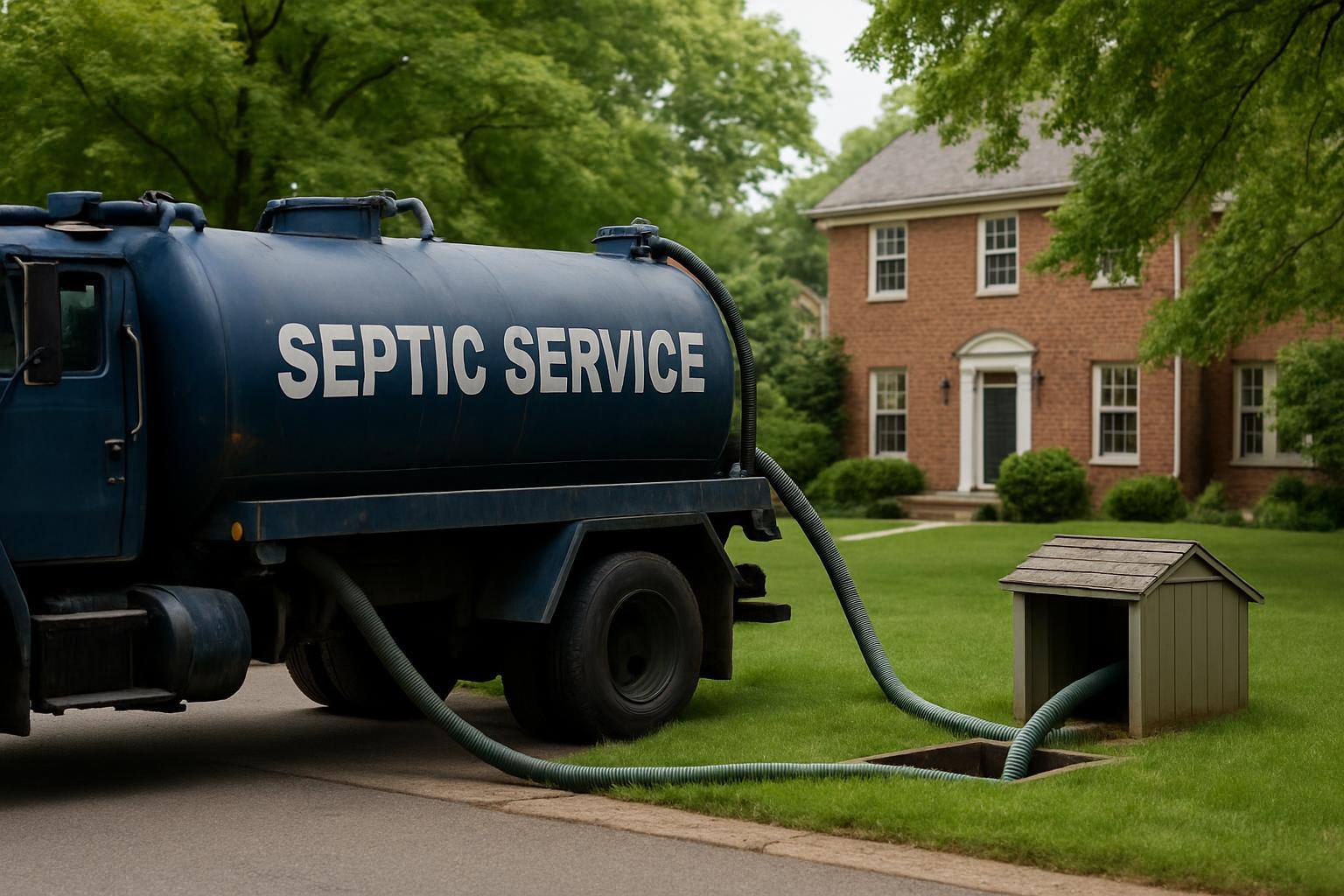
Septic tank pumping · Dupont Circle, DC
Historic apartment buildings near Connecticut Avenue often leave little room for septic equipment, so access and curb restrictions get checked before the septic tank service is scheduled. One call gets the details sorted.
A real person answers · No forms · No waiting on a quote email
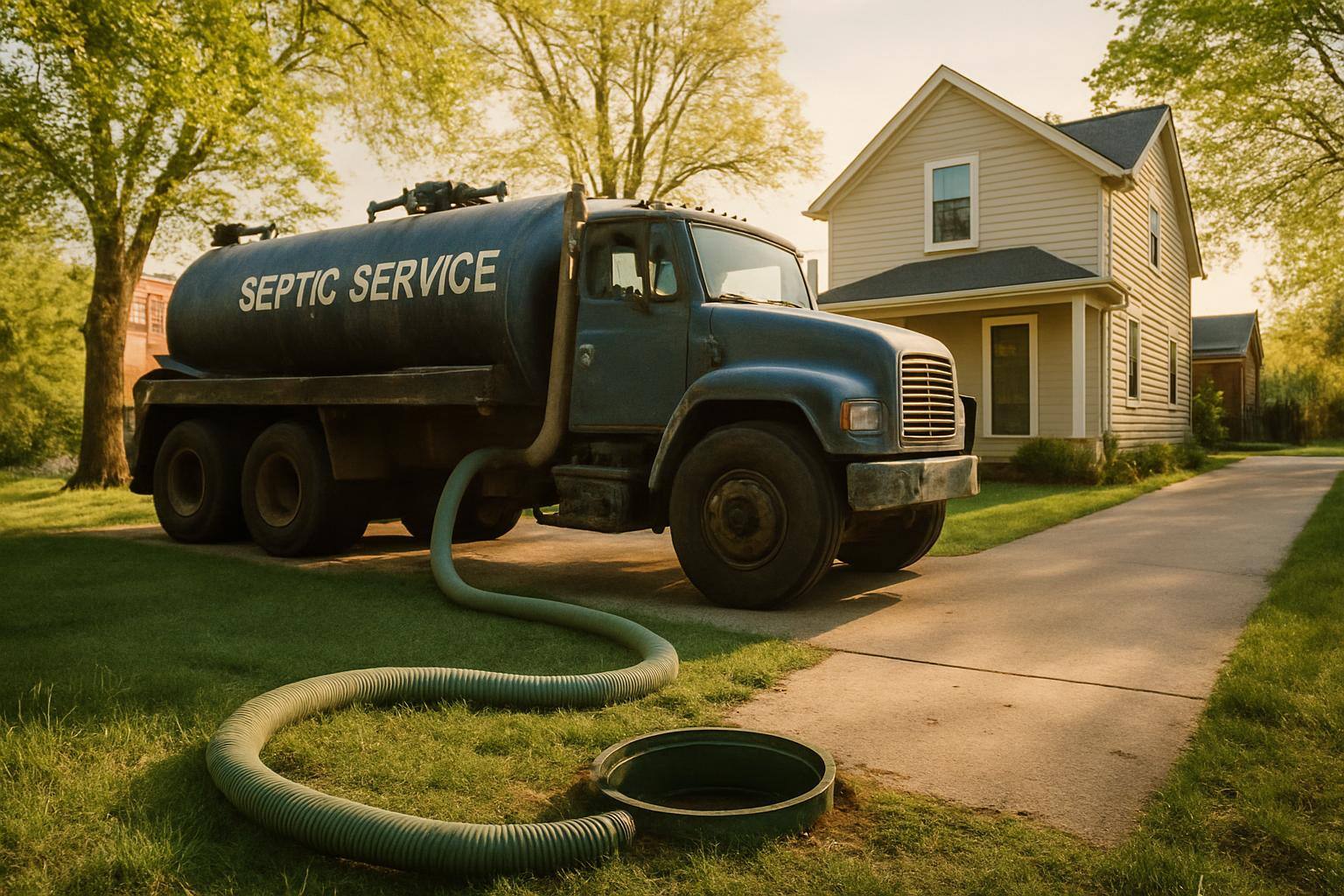
Size
For older Dupont Circle properties, the standard tank often fits a common household system, while shared buildings and unusual access may require a larger or commercial tank.
Quote
The quote is given on the call and changes with tank size, access, pumping time, distance and material.
Date
The service date is set on the call around building access, curb restrictions and the property’s schedule.
Septic tank work around Dupont Circle, Sheridan Circle, Embassy Row and the Connecticut Avenue corridor requires careful access planning. Dense rowhouses, historic apartment buildings and small rear service areas can limit equipment placement. The tank location, opening condition, pedestrian traffic and curb access are reviewed before service is scheduled.
Services
Dupont Circle
Dense housing around Dupont Circle changes how septic work is approached. Rowhouses, older apartment buildings, embassies and mixed-use properties may have concealed openings, narrow rear access or curb space shared with pedestrians. The service starts with the system type and tank location, then accounts for building management, traffic, historic facades and the available path for equipment.
Household systems in Dupont Circle may sit behind rowhouses or below older additions, so tank openings and the equipment path need confirmation.
A backup in Dupont Circle needs access planning around occupied buildings, narrow alleys, parked vehicles and heavy pedestrian movement.
Commercial systems near Connecticut Avenue or Embassy Row may include multiple tanks, risers or treatment components requiring a fuller site description.
Inspection pumping for a Dupont Circle property can help expose tank condition, openings and connections before a sale or repair decision.
Maintenance planning for older Dupont Circle buildings considers access, system use, inlet and outlet openings, and the building’s service history.
Restaurants and food service spaces around Dupont Circle need grease trap work planned around kitchens, service doors and busy sidewalks.
Sewer line cleaning near Logan Circle or Adams Morgan requires a clear description of the blockage, cleanout location and interior access.
The standard tank is often the practical starting point for a typical household system in Dupont Circle, but older buildings can hide unusual capacities or multiple components. Shared residences, commercial properties and grease traps need a more specific assessment before the service is sized.
Typically serves a smaller household system and requires access to a standard residential tank opening.
A small tank may suit a compact residential system serving a smaller household in a Dupont Circle rowhouse, provided a standard residential tank opening is reachable.
A common household tank often holds about 1,000 gallons and needs accessible inlet and outlet openings.
A standard tank commonly serves a household system and often fits residential work near Sheridan Circle when inlet and outlet openings are accessible.
A larger household tank commonly holds about 1,500 gallons and may require extended pumping time.
A large tank can fit a bigger household system or a property with extended pumping needs, including some larger historic residences around Embassy Row.
Commercial systems vary widely in capacity and may include multiple tanks, risers or treatment components.
A commercial tank suits systems that vary in capacity or include multiple tanks, risers or treatment components at mixed-use and institutional properties.
A grease trap separates fats, oils and grease from wastewater before it reaches the sewer system.
A grease trap is used for food service wastewater, including restaurant kitchens near Connecticut Avenue where fats, oils and grease must be separated before sewer discharge.
Cost
The exact quote is given on the call after the system is described. Cost depends on tank or trap size, access, distance from the service vehicle, pumping time, rental length where applicable, and the material being removed.
A small residential tank, larger household tank, commercial system or grease trap changes the work involved and the pumping equipment needed.
Distance from a Dupont Circle curb, alley or service entrance affects hose routing, setup time and whether building access must be coordinated.
The material being removed affects handling and weight, especially with grease, heavier solids or a commercial system requiring extended pumping.
Historic facades, parked vehicles, pedestrians, narrow rear paths and curb restrictions can change setup requirements and the time needed on site.
To avoid surprise charges, describe the tank or trap, access route, distance from the vehicle, material and any building restrictions before the quote is prepared. The exact quote is given on the call.
What goes in
This covers household septic systems, including a typical standard tank serving a Dupont Circle rowhouse or another private residence with reachable openings.
Commercial systems may include several tanks, risers or treatment components at mixed-use, institutional or larger properties in the Dupont Circle area.
Grease traps serve restaurant and food service kitchens near Connecticut Avenue, separating fats, oils and grease from wastewater before it reaches the sewer.
Not accepted. The service does not cover materials outside the described system, and hazardous chemicals, construction debris, paints, solvents and other prohibited waste cannot go in.
Projects
Routine service for a Dupont Circle residence begins with the tank location, opening condition and route through a rowhouse, courtyard or rear service area.
Backup response in Dupont Circle focuses on safe access around occupied buildings, pedestrians, parked cars and narrow alleys while the system is assessed.
A home sale service for a Dupont Circle rowhouse can document access, tank condition and pumping needs for the property review process.
Inspection pumping around Sheridan Circle helps expose the tank and connections so the property condition can be reviewed before repairs or transfer.
Commercial work in District of Columbia County may involve mixed-use buildings, multiple tanks, risers or treatment components and requires a detailed system description.
Restaurant grease trap work near Connecticut Avenue is planned around kitchen access, service doors, sidewalk activity and the material being removed.
A backup at a Dupont Circle property requires the reported symptoms, cleanout location and available equipment path to be reviewed before pumping.
Explain the property use, tank or trap type, recent symptoms, known openings and any prior service when the appointment is discussed.
The tank or trap opening is identified, then the route is checked through a basement, courtyard, alley or rear service area.
Equipment is positioned as access allows, the tank or trap is pumped, and the material is handled according to the described system.
The service discussion covers visible access concerns, system condition and practical maintenance needs for the building or property manager.
Weather
Rain can make curbside setup and rear access slick, while summer heat affects exposed equipment and indoor work areas. Winter ice can narrow sidewalks, alleys and parking access around Dupont Circle. The service date and placement plan account for current surface conditions and building access.
Placement
At Dupont Circle properties, the service usually works from a reachable tank opening, rear alley, courtyard, driveway or curbside position. Historic facades, narrow rowhouse passages, parked vehicles, pedestrians, overhead clearance and restricted curb space can limit hose routing and equipment placement.
Permits
Private property usually needs no permit for the septic tank service. Placement in a Dupont Circle street, alley, boulevard or sidewalk area needs approval from the District of Columbia government. Ask about any fees, required notice, approval process and how long the approved placement may last.
Landlord, condominium, cooperative or association rules in District of Columbia County may control access hours, courtyard use, facade protection and temporary equipment placement. Review those rules with the property manager before the service date is set.
The spot needs a clear approach from the available street or alley, enough width for equipment, safe overhead clearance and firm ground for setup. In Dupont Circle, seasonal leaves, rain, ice, parked vehicles and pedestrian traffic may require clearing or a different placement plan.
Service covers the Dupont Circle neighborhood, including the Connecticut Avenue corridor, P Street, Q Street, Massachusetts Avenue, Sheridan Circle and nearby Embassy Row properties. Work can also be discussed for nearby Logan Circle, Adams Morgan, Foggy Bottom, Shaw and Columbia Heights when access and system details are provided.
Not sure about your street? Ask on the call and we will tell you which office handles it.
Timing
Demand can rise after heavy rain, during warmer months when odors and backups become more noticeable, and during property sale or inspection work. Winter ice can delay or restrict access around Dupont Circle curbs and alleys. Building managers should discuss access, system symptoms and preferred scheduling before the property needs urgent service.
Ice can make sidewalks, alleys and curbside setup unsafe around Dupont Circle. Parked vehicles and narrowed pedestrian routes may require the placement plan to be reviewed before service.
Spring rain can soften ground and complicate rear access, while renovation and sale activity may expose older tank openings. Describe the route and property work before scheduling.
Service area
Dupont Circle is part of our District of Columbia County coverage, and we also serve the neighboring communities below.
Why us
Dupont Circle combines historic rowhouses, older apartment buildings, embassies and busy commercial corridors. Tank access may run through a basement, courtyard or narrow rear path, so the building layout matters as much as the system size.
Depot Dumpster Service · Dupont Circle
Curb restrictions and pedestrian traffic around Connecticut Avenue and the circle can limit where equipment sits. A useful service plan identifies the opening, hose route, vehicle position and property rules before the date is set.
Click Here to Call (315) 228-9768FAQs
Still have a question about Dupont Circle? Call (315) 228-9768 and ask a real person.
The exact quote is given on the call. Cost depends on tank or trap type, size, access distance, pumping time, material, building restrictions and any required street or curb placement approval. Describe the Dupont Circle property and route so the quote reflects the actual setup.
A standard tank often suits a common household system, but the correct size depends on the existing tank, openings, building use and access. Older Dupont Circle properties may have concealed tanks, larger systems or multiple components, so the system description is reviewed before service.
The standard rental period is seven days, with extensions available by the day. That rental term applies to dumpster service, not to the duration of septic pumping itself. Septic tank service timing is set around the property’s access and system requirements.
Only wastewater and material already handled by the described septic system should enter it. Grease traps handle fats, oils and grease from food service wastewater. Do not add construction debris, chemicals or other materials outside the system’s intended use.
Hazardous chemicals, paints, solvents, construction debris and other prohibited waste cannot go into the system. Grease traps are intended for fats, oils and grease from food service wastewater, not general trash or unrelated materials.
Private property usually needs no permit, but street, alley, boulevard or sidewalk placement needs approval from the District of Columbia government. Ask about fees, notice requirements and approval duration before equipment is placed in a public area.
Equipment may use a driveway when the approach, width, overhead clearance and ground can support the setup. Many Dupont Circle properties have limited or no driveway access, so a rear alley, courtyard or approved curb position may be considered.
The service date is set on the call after access, building rules, system details and placement are reviewed. Do not assume a timing window until the date and access plan are confirmed, especially where curb restrictions or pedestrian traffic apply.
Winter ice can make sidewalks, alleys and curbside work unsafe or difficult. Rain can soften access areas, and summer heat can affect exposed equipment. Current ground, weather and route conditions are reviewed when the service date is arranged.
The tank opening, hose route and equipment position are reviewed to protect historic facades and manage narrow passages, pedestrians and parked vehicles. Properties near the circle, Connecticut Avenue and Embassy Row may need a carefully coordinated curb, alley or courtyard plan.
A real person answers · No forms · Every quote given on the phone