Residential septic tank pumping
Household systems near Capitol Hill rowhouses need accessible openings and a clear approach, even where the property has little private ground.
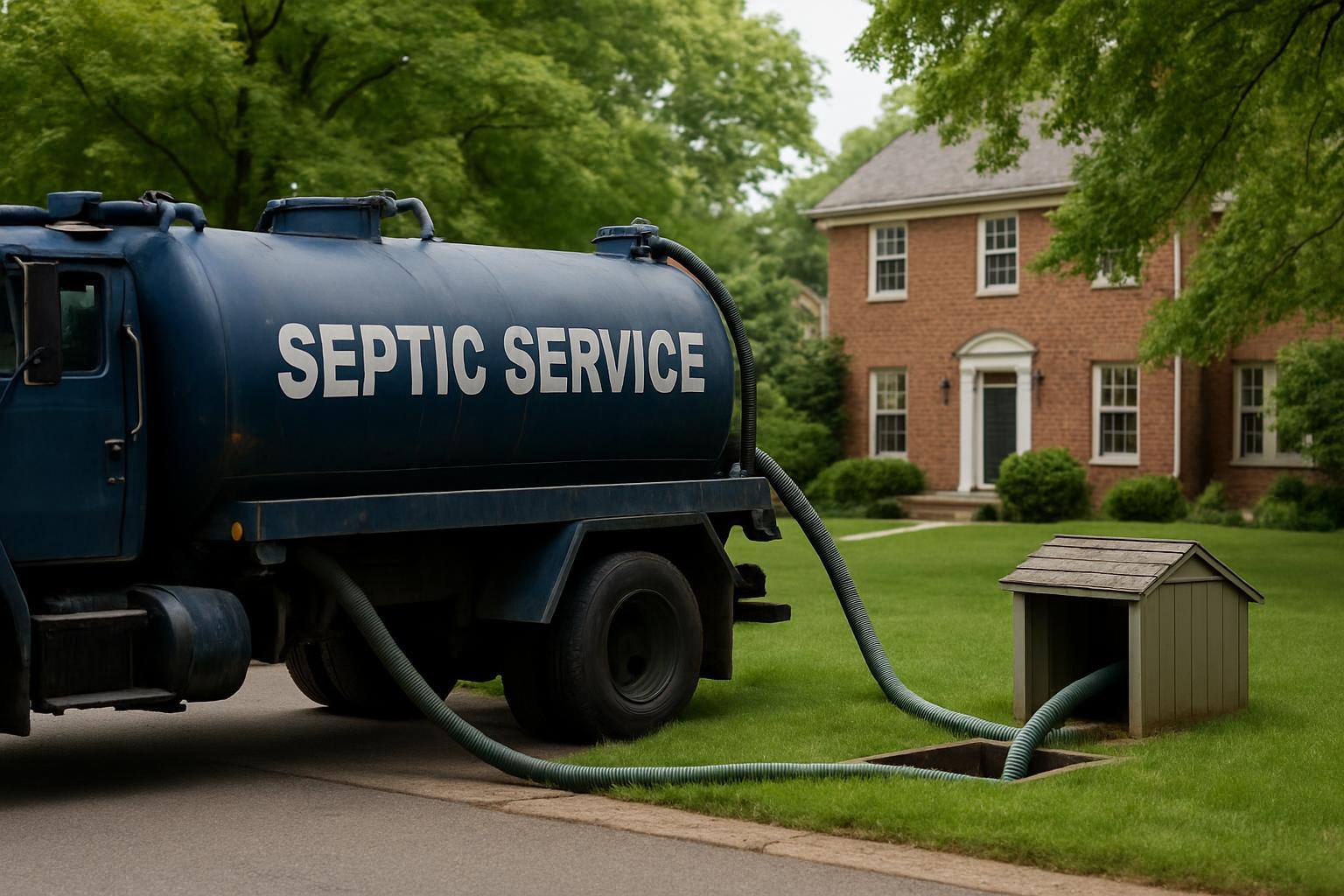
Septic tank pumping · Capitol Hill, DC
Near Capitol Hill’s historic rowhouses, narrow streets and tight paved lots can make septic access awkward. One phone call sorts the system details, access route, service type and date.
A real person answers · No forms · No waiting on a quote email
Size
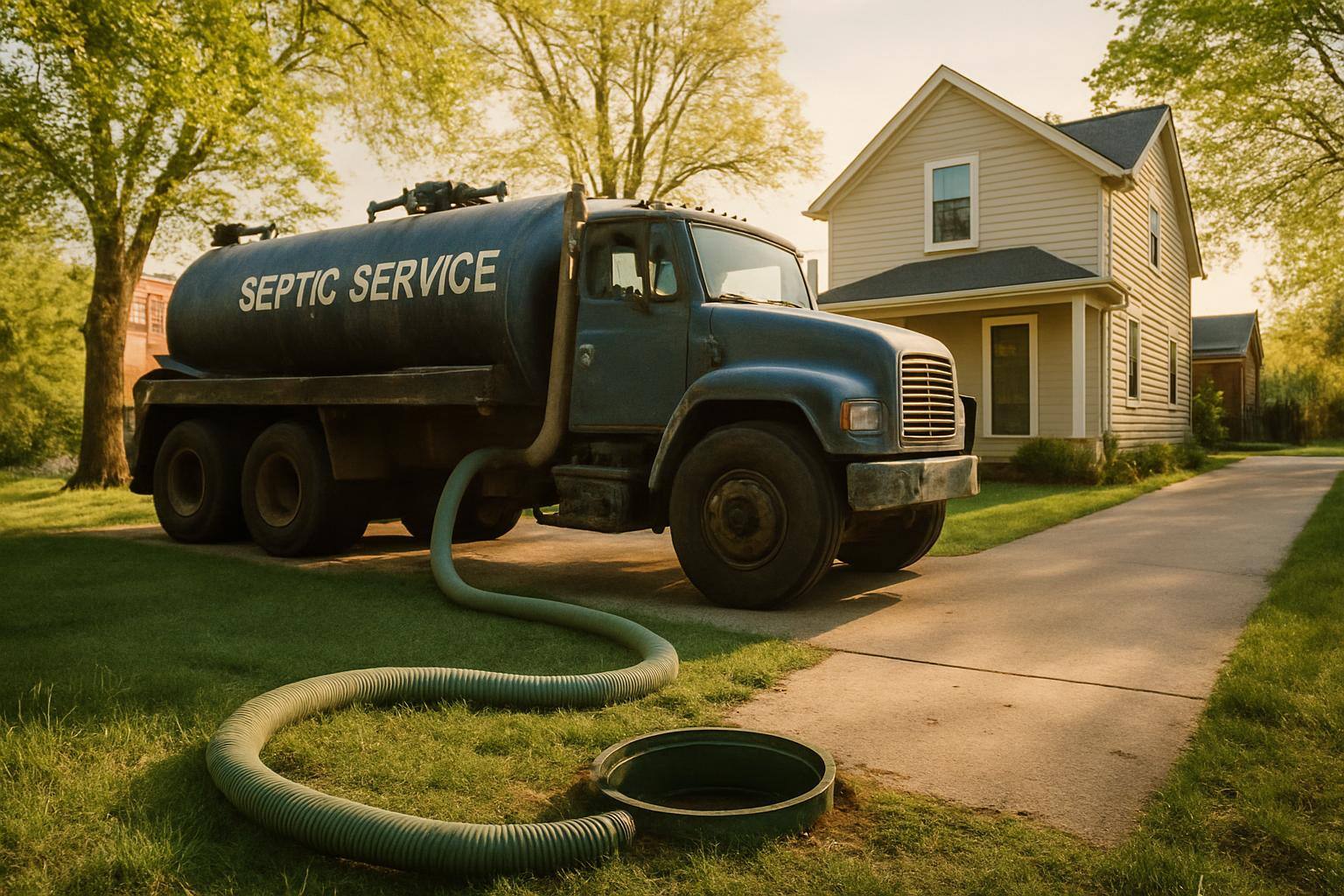
For Capitol Hill homes, the standard tank often fits common household work, but the tank opening, household setup and access determine the recommendation.
Quote
The exact quote comes on the call, based on tank size, access, distance, material and service conditions.
Date
The service date is set on the call after the property access and placement details are confirmed.
From Capitol Hill rowhouses and Eastern Market blocks to Navy Yard edges, Anacostia-side properties and commercial spaces near Pennsylvania Avenue, access varies sharply. Tank openings, grease traps, sewer lines and paved approaches all need different handling, especially where historic buildings leave little room for equipment.
Services
Capitol Hill
Capitol Hill’s historic rowhouses, alley approaches and paved side streets leave less room for equipment than a suburban lot. Work near Eastern Market may involve tight frontage, while Navy Yard and Pennsylvania Avenue properties can bring commercial access or grease trap needs. The service starts with identifying the system, locating a usable opening and checking how the truck can reach it.
Household systems near Capitol Hill rowhouses need accessible openings and a clear approach, even where the property has little private ground.
Backup conditions in Capitol Hill, Navy Yard or Anacostia need the system type and safest access route identified before pumping begins.
Commercial properties near Pennsylvania Avenue and Navy Yard may have multiple tanks, risers or treatment components requiring a careful site review.
An inspection around Capitol Hill can check openings, visible components and access conditions before a home sale or planned service.
Routine maintenance helps rowhouse owners and nearby property managers track access, system condition and service needs through humid summers and freezes.
Food service locations near Eastern Market and Capitol Hill need grease trap work that accounts for material, access and wastewater handling.
Sewer line cleaning for Capitol Hill properties focuses on the line condition, access point and the cause of slow flow or backup.
The standard tank is often the practical starting point for a Capitol Hill household, including homes with limited paved access. The opening location, inlet and outlet access, system capacity and the amount of material determine whether a different tier fits.
Typically serves a smaller household system and requires access to a standard residential tank opening.
A small tank can suit a smaller Capitol Hill household system where a standard residential tank opening is accessible from a narrow side or rear approach.
A common household tank often holds about 1,000 gallons and needs accessible inlet and outlet openings.
A standard tank commonly fits household systems around Capitol Hill and often holds about 1,000 gallons, with accessible inlet and outlet openings needed.
A larger household tank commonly holds about 1,500 gallons and may require extended pumping time.
A large tank may fit a bigger Capitol Hill residence or less frequent service setup, commonly holding about 1,500 gallons and requiring extended pumping time.
Commercial systems vary widely in capacity and may include multiple tanks, risers or treatment components.
A commercial tank suits properties near Navy Yard, Pennsylvania Avenue or Eastern Market with multiple tanks, risers or treatment components that need separate review.
A grease trap separates fats, oils and grease from wastewater before it reaches the sewer system.
A grease trap fits food service wastewater arrangements near Eastern Market and Capitol Hill, separating fats, oils and grease before wastewater reaches the sewer system.
Cost
The exact quote is given on the call after the system and property are discussed. Cost depends on tank or trap size, pumping conditions, access, distance, rental period when applicable, material and whether the work is routine, urgent or commercial.
Small, standard and large household systems require different pumping work, while commercial systems may involve multiple tanks, risers or treatment components.
Narrow Capitol Hill streets, alleys and historic rowhouse frontage can affect truck approach, hose reach, setup space and the distance from the service spot.
The material matters, including household contents, commercial wastewater or grease trap material, because handling requirements and overage charges can differ.
Routine work, backup response, inspection needs, rental period, distance and difficult access can all change the quote for a Capitol Hill property.
Avoid surprise charges by describing the tank or trap, opening location, access route, distance from the truck position and any backup or inspection concern before the exact quote is given on the call.
What goes in
This category covers household septic systems, including a Capitol Hill residence where the tank opening, inlet and outlet access can be identified before pumping.
Commercial systems may serve offices, mixed-use buildings or Navy Yard properties and can include multiple tanks, risers or treatment components.
Grease traps serve food service wastewater arrangements, including a typical Eastern Market restaurant load containing fats, oils and grease.
Not accepted. Do not place hazardous chemicals, paints, fuels, batteries, construction debris or other materials outside the septic tank service scope, and describe any unusual contents on the call.
Projects
Routine work for a Capitol Hill household starts with the system type, tank opening and the truck approach through a tight paved property.
Backup response in Capitol Hill, Anacostia or Navy Yard begins with the symptoms, access route and safe location for pumping equipment.
A home sale service for a Capitol Hill rowhouse can document access and system condition before the property changes hands.
Inspection cleaning and pumping around Eastern Market or Capitol Hill helps expose the system for review when openings and components are accessible.
Commercial service near Pennsylvania Avenue or Navy Yard may require planning around multiple tanks, risers, treatment components and paved loading limits.
Restaurant work near Eastern Market focuses on grease trap access, fats, oils and grease, with service planning around busy paved frontage.
A backup at a Capitol Hill property needs the cause, system type, tank location and available approach checked before pumping is planned.
Explain the property use, known tank or trap type, recent service, symptoms and any commercial or grease-related material.
Identify covers, inlet and outlet openings, risers and the route from the street, alley or driveway to the service point.
The crew positions equipment as access allows, completes the septic tank or grease trap pumping and works around the paved site.
After service, review visible access concerns, system condition, future maintenance needs and any restrictions affecting the Capitol Hill property.
Weather
Capitol Hill’s hot humid summers can make exposed material and paved work areas uncomfortable, while winter freezes can affect covers, ground and access. Heavy rain may leave low or crowded areas slick, so the service date and approach should account for weather conditions rather than assuming a clear setup.
Placement
The service spot usually sits over or near the tank opening, riser or grease trap access on private property. Capitol Hill rowhouses often provide little side clearance, and narrow streets, alleys, parked vehicles, sidewalks and overhead lines can limit truck position and hose routing.
Permits
Private property usually needs no permit for the service spot. Placement in a Capitol Hill street, alley, boulevard or sidewalk needs approval from the District of Columbia government. Ask about any fees, placement rules and approval duration on the call before using public space.
District of Columbia County properties may have landlord, covenant, cooperative or HOA rules affecting access, shared alleys and equipment placement. Check those rules early, especially for attached housing or managed property near Capitol Hill.
The approach needs enough width for the service vehicle, safe overhead clearance, stable ground and a practical hose route to the opening. Remove parked cars and loose items, and plan for rain, standing water, ice or seasonal obstructions on Capitol Hill’s paved lots and alleys.
Service covers Capitol Hill around Eastern Market, Pennsylvania Avenue, Barracks Row, Stanton Park, Lincoln Park, Capitol Hill’s north and south sides, and the Navy Yard edge. Nearby service areas can include Navy Yard, Shaw, Logan Circle, Anacostia and Dupont Circle when the property and access details fit.
Not sure about your street? Ask on the call and we will tell you which office handles it.
Timing
Demand can rise when heavy summer rain exposes drainage or backup problems, and when winter freezes make covers and access harder to reach. Spring work may follow wet conditions, while fall property sales and planned maintenance can bring inspection and pumping requests around Capitol Hill rowhouses and commercial blocks.
Freezing weather can affect covers, exposed access points and paved approaches. Keep the opening identifiable, clear snow or ice where possible and describe any frozen or difficult access before the date is set.
Hot humid weather and heavy rain can bring attention to backups, slow flow and grease trap conditions. Around Capitol Hill, crowded streets and slick paved lots make the approach worth reviewing early.
Service area
Capitol Hill is part of our District of Columbia County coverage, and we also serve the neighboring communities below.
Why us
Capitol Hill’s historic rowhouses put the tank opening, truck approach and hose route close together. Alley access, parked cars and public pavement can matter as much as the system size when the work is planned.
Depot Dumpster Service · Capitol Hill
Properties around Eastern Market and Navy Yard shift between household, mixed-use and food service needs. Describing the use, material, access point and nearby public space produces a more useful service plan than guessing from the address alone.
Click Here to Call (315) 228-9768FAQs
Still have a question about Capitol Hill? Call (315) 228-9768 and ask a real person.
The exact quote is given on the call. Cost depends on tank or trap size, material, access, distance, service conditions, rental period when applicable and whether the work is routine, emergency or commercial. Narrow rowhouse access or public placement can change the work required.
A standard tank often suits a common household system, but the opening, inlet and outlet access and actual capacity decide the recommendation. A smaller household system may fit a small tank, while a larger residence may require a large tank.
The standard rental period is seven days, with extensions available by the day. Septic tank service itself is planned separately around the system, access point, pumping conditions and the agreed service date.
Residential septic contents, commercial septic system material and grease trap material are within the listed service categories. Describe unusual contents, chemicals, grease conditions or commercial use on the call so the work is matched to the property.
Hazardous chemicals, paints, fuels, batteries, construction debris and material outside the service scope cannot be treated as ordinary septic contents. Keep those materials separate and explain anything unusual before the quote is prepared.
Private property usually needs no permit, but street, alley, boulevard or sidewalk placement needs approval from the District of Columbia government. Ask about approval, fees and duration before equipment occupies public space.
The truck can use a driveway when the approach, width, overhead clearance, ground and hose route are suitable. Historic rowhouses may have limited or shared access, so clear vehicles and describe the route before setting the service date.
The service date is set on the call after the system, access and placement details are reviewed. Same-day or next-day delivery can be discussed, but the date depends on the actual conditions and scheduling.
Yes, hot humid summers, heavy rain and winter freezes can affect comfort, ground conditions, covers and access. Wet pavement, standing water or ice around a narrow alley or lot should be described before service planning.
Restaurants near Eastern Market, Barracks Row and other Capitol Hill commercial blocks may need grease trap pumping when fats, oils and grease are separated before wastewater reaches the sewer. Access and material details determine the service plan.
A real person answers · No forms · Every quote given on the phone