Residential septic tank pumping
Household systems near Navy Yard and Capitol Hill need clear inlet and outlet access before pumping can begin.
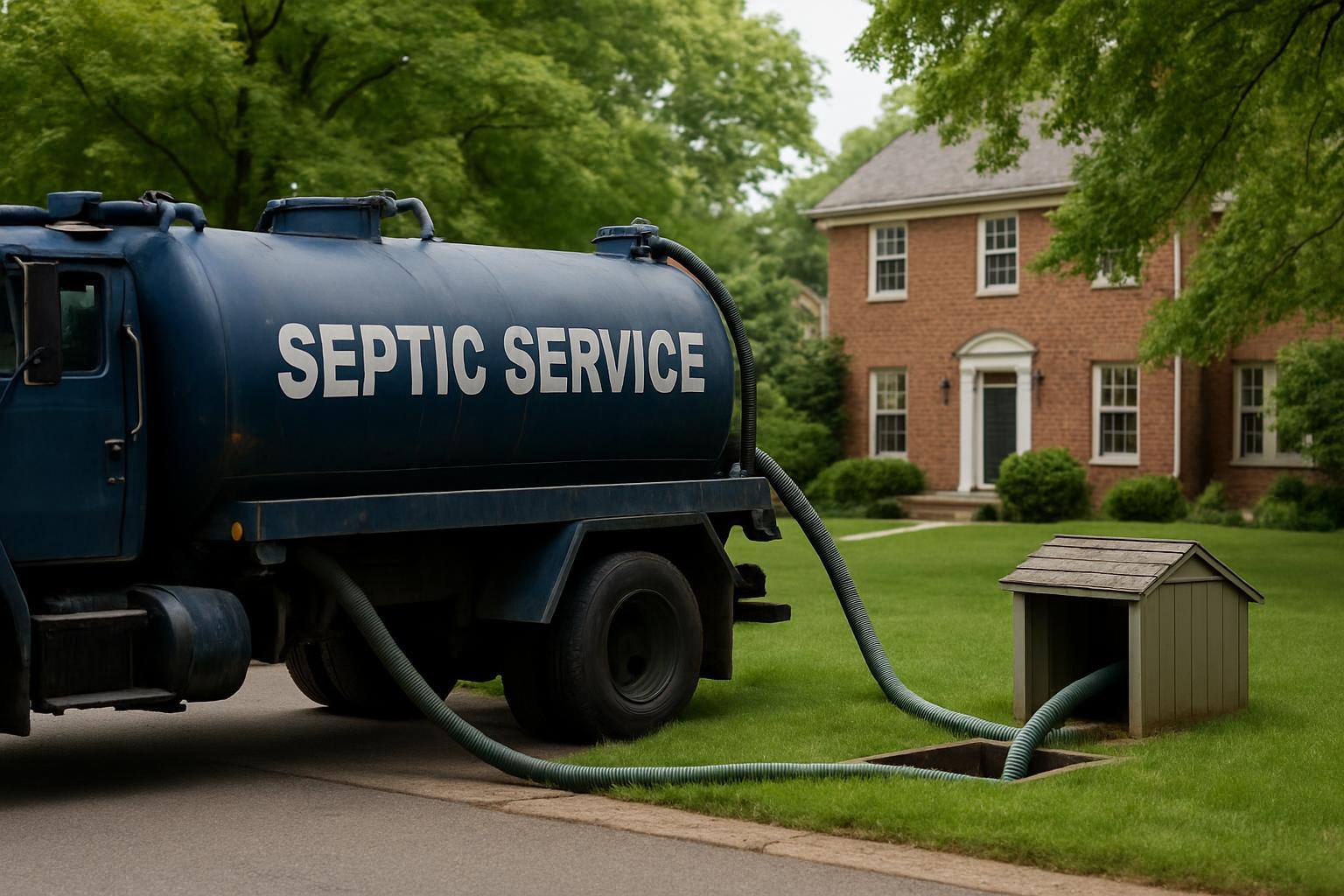
Septic tank pumping · Navy Yard, DC
A riverfront apartment project near Nationals Park has limited staging, icy access and active construction traffic. One phone conversation sorts the septic tank service around the site conditions.
A real person answers · No forms · No waiting on a quote email
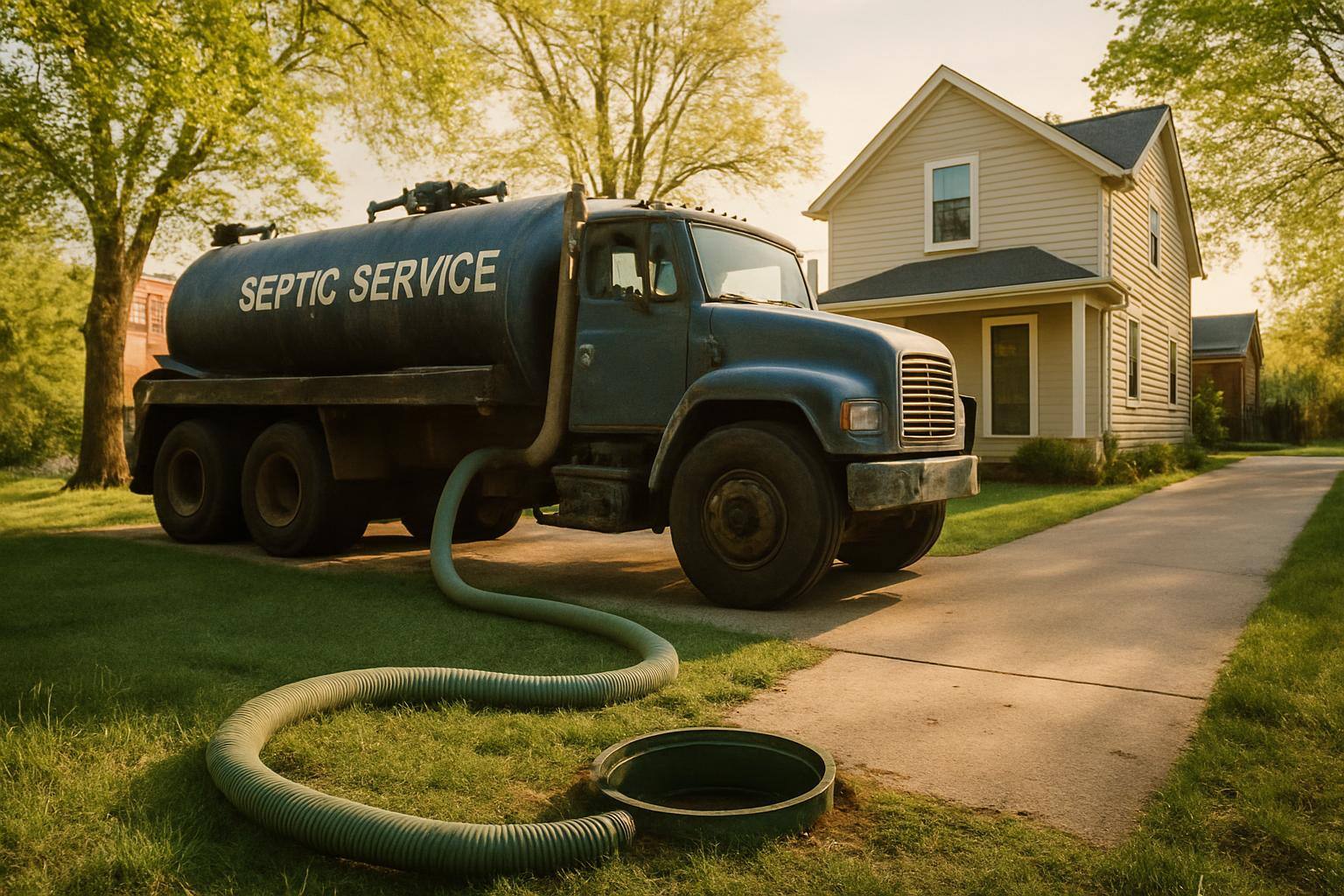
Size
Navy Yard work often involves compact residential systems or commercial components serving new construction, so the operator matches the small tank, standard tank or commercial tank to the access points.
Quote
The quote is given on the call, based on tank size, access, distance, material, pumping time and any added service needs.
Date
The service date is set on the call around construction access, street activity and the property’s available staging space.
From Capitol Riverfront apartments and Navy Yard rowhouses to construction parcels along the Anacostia River, access changes quickly. Work near M Street Southeast, Nationals Park and the Washington Navy Yard may involve blocked approaches, limited staging and active crews, so the septic tank service is planned around the actual property.
Services
Navy Yard
Navy Yard combines apartment construction, older nearby rowhouse blocks and commercial spaces near the river. That mix can mean different tank openings, shared systems, grease traps or restricted approaches. The service starts by identifying the system and access before equipment is sent into a tight staging area beside construction fencing, parked vehicles or busy corridors.
Household systems near Navy Yard and Capitol Hill need clear inlet and outlet access before pumping can begin.
Backup response in Navy Yard needs fast information about standing water, blocked access and nearby construction hazards.
Commercial systems around the Navy Yard waterfront may include multiple tanks, risers or treatment components.
An inspection helps identify openings, tank condition and access limits at Navy Yard homes or redevelopment sites.
Routine maintenance helps properties near the Anacostia River plan around active work, seasonal storms and difficult staging.
Food service spaces near Nationals Park and Capitol Riverfront may need grease trap pumping separate from household tank work.
Sewer line cleaning can address buildup affecting nearby commercial or residential plumbing without treating every issue as tank failure.
The standard tank suits many ordinary household systems and commonly holds about 1,000 gallons, but Navy Yard construction and compact urban access can point to another tier. The right choice depends on the tank opening, system layout, material and room for the equipment.
Typically serves a smaller household system and requires access to a standard residential tank opening.
A small tank fits a smaller household system with a standard residential opening, such as a compact home near the edge of Navy Yard where access is straightforward.
A common household tank often holds about 1,000 gallons and needs accessible inlet and outlet openings.
A standard tank commonly holds about 1,000 gallons and needs accessible inlet and outlet openings, making it a common fit for household properties near Capitol Hill.
A larger household tank commonly holds about 1,500 gallons and may require extended pumping time.
A large tank commonly holds about 1,500 gallons and may need extended pumping time, useful for a larger residence or property serving more occupants near the waterfront.
Commercial systems vary widely in capacity and may include multiple tanks, risers or treatment components.
A commercial tank suits Navy Yard construction compounds, food service properties or larger facilities where multiple tanks, risers or treatment components require separate review.
A grease trap separates fats, oils and grease from wastewater before it reaches the sewer system.
A grease trap separates fats, oils and grease before wastewater reaches the sewer system, making it relevant to restaurants and food operations near Nationals Park.
Cost
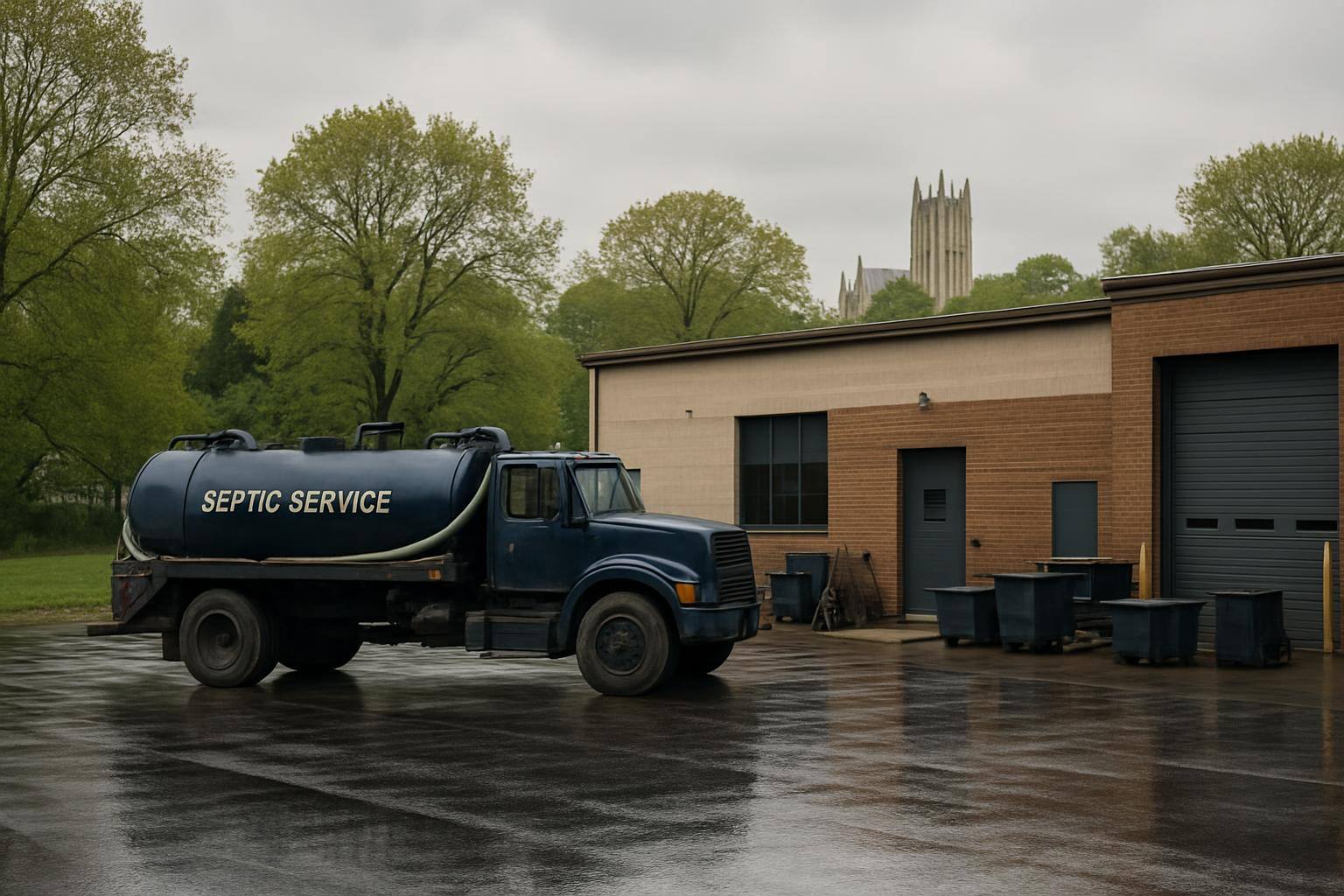
The exact quote is given on the call after the system is described. Cost depends on tank or trap size, material, pumping time, access, distance from the Navy Yard setting, rental period where applicable and whether more than one component needs service.
Tank capacity and the material being removed affect pumping work, handling and disposal requirements, especially where grease or heavier contents are involved.
Distance from the equipment to the opening, construction fencing, parked vehicles and limited riverfront staging can change the work required.
Multiple tanks, risers, treatment components or a separate grease trap require more planning than one accessible household opening.
Wet ground, winter ice, narrow approaches and active traffic around Navy Yard can affect setup, equipment movement and service duration.
To avoid surprise charges, describe every tank, trap, riser, access obstruction and material concern on the call. The operator can explain what changes the quote before the service date is set.
What goes in
This category covers household tanks and related components, including systems serving rowhouses or residences near Capitol Hill and the Navy Yard.
Commercial systems may include multiple tanks, risers or treatment components at construction, office or mixed use sites near the waterfront.
Grease traps handle fats, oils and grease from food operations, including a restaurant kitchen load near Nationals Park or Capitol Riverfront.
Not accepted. Do not put hazardous chemicals, fuel, paint, solvents, construction debris or other unapproved material into the system, and septic service does not cover unrelated plumbing repairs.
Projects
Routine service keeps household or commercial systems planned around construction traffic and limited staging in Navy Yard and Capitol Riverfront.
Emergency work addresses backups or overflow concerns near Navy Yard properties after the operator reviews access, standing water and site hazards.
A home sale service can document tank access and pumping needs for residences near Capitol Hill, Navy Yard and surrounding District of Columbia County blocks.
Inspection cleaning and pumping helps identify openings, components and maintenance needs at a Navy Yard property before a transaction or renovation.
Commercial service fits construction compounds, mixed use sites and riverfront facilities where Navy Yard access must be coordinated with active crews.
Restaurant grease trap work serves food operations near Nationals Park and the Capitol Riverfront, where kitchen material differs from household waste.
Backup response covers urgent system trouble in Navy Yard, Anacostia or nearby District of Columbia County properties after access is confirmed.
Explain whether the property has a household tank, commercial system or grease trap, along with symptoms and known access points.
Identify the opening, inlet and outlet where possible, then note construction fencing, vehicles, narrow approaches or other staging limits.
The operator positions equipment, pumps the identified tank or trap and works around ground, overhead and traffic conditions.
After service, discuss visible access concerns, system components and practical maintenance steps for the property.
Weather
Summer storms can leave low riverfront ground soft and make staging difficult. Winter icing can reduce traction and hide access covers. Construction sites may also change drainage and approach conditions, so weather and current site layout are reviewed before the service date.
Placement
Service equipment usually needs to reach a tank opening, riser or grease trap on private property. At Navy Yard sites, placement may be limited by narrow drives, sidewalks, construction fencing, parked vehicles, soft riverfront ground and active haul routes.
Permits
Private property usually needs no permit for septic tank service. Placement in a street, alley, boulevard or sidewalk requires approval from the District of Columbia government. Ask about any fees, duration, clearance rules and temporary traffic requirements before choosing a public placement spot.
In District of Columbia County, a landlord, condominium association, cooperative or covenant may control access, parking and exterior work. Confirm property rules before scheduling, especially where shared drives, loading areas or managed apartment grounds are involved.
The spot needs a usable approach, enough width for the service equipment, overhead clearance and firm ground near the tank opening. Navy Yard sites may require seasonal clearing of ice, storm debris, construction materials or parked vehicles before placement can be evaluated.
Service covers Navy Yard and the Capitol Riverfront, including properties near M Street Southeast, Nationals Park, the Washington Navy Yard and the Anacostia River edge. Nearby coverage can include Capitol Hill, Anacostia, Shaw, Congress Heights and Logan Circle when access and system details are provided.
Not sure about your street? Ask on the call and we will tell you which office handles it.
Timing
Demand can increase after summer storms, when low riverfront ground and drainage issues expose system problems. Winter brings icing and harder approaches. Construction schedules also shift access throughout the year, so Navy Yard service planning depends on the current work zone, available staging and the condition of the tank opening.
Heavy summer rain can soften low ground near the Anacostia River and limit where equipment can stand. Keep access visible, identify alternate staging and describe any recent flooding on the call.
Winter icing can make approaches slippery and conceal covers, while construction fencing or stored materials may narrow the route. Clear the service path and coordinate with the site superintendent before the scheduled date.
Service area
Navy Yard is part of our District of Columbia County coverage, and we also serve the neighboring communities below.
Why us
Navy Yard jobs are rarely just a tank location. Riverfront ground, construction fencing, delivery traffic and limited staging can determine where equipment stands and whether the opening is reachable.
Depot Dumpster Service · Navy Yard
The local mix of new apartments, older nearby homes, food operations and active redevelopment means the system may be a household tank, commercial setup or grease trap. Describing the property accurately prevents the wrong equipment plan.
Click Here to Call (315) 228-9768FAQs
Still have a question about Navy Yard? Call (315) 228-9768 and ask a real person.
The quote is given on the call and depends on tank or trap size, material, access, distance, pumping time, site conditions and any additional components. Navy Yard construction, parked vehicles and limited riverfront staging can change the work needed, so describe the approach and opening before the quote is prepared.
The operator matches the size to the system, opening and material rather than guessing from the address. A standard tank commonly holds about 1,000 gallons, while a large tank commonly holds about 1,500 gallons, and commercial systems may involve multiple tanks or treatment components.
The standard rental period is 7 days, with extensions by the day. That rental term applies to dumpster service, not the pumping duration of a septic tank service, so explain which service you need when arranging work near Navy Yard.
Only normal wastewater and approved system material should enter a septic system, while grease belongs in a properly serviced grease trap. Tell the operator about unusual material, construction activity or commercial use near Navy Yard before service is planned.
Hazardous chemicals, fuel, paint, solvents, construction debris and other unapproved material cannot go into a septic tank or grease trap. These materials can create handling hazards and are not covered as ordinary septic pumping work.
Private property usually needs no permit, but placing equipment in a street, alley, boulevard or sidewalk requires approval from the District of Columbia government. Ask about fees, duration and public space conditions before using a public placement area.
Driveway placement may work if the approach, width, overhead clearance and ground can support the equipment. In Navy Yard, construction fencing, parked vehicles, soft riverfront ground and active traffic may require a different staging plan.
The service date is set on the call after access, staging and site conditions are reviewed. Do not assume a timing window until construction activity, public placement needs and the property’s available approach have been discussed.
Winter icing can make the approach slippery and obscure tank covers, while summer storms can soften low riverfront ground. Clear the route, identify the opening and report current weather or flooding conditions before service is scheduled.
Yes, the plan can account for construction, but the operator needs the current work zone, fencing, haul routes, overhead limits and available staging area. A site near the Washington Navy Yard or Nationals Park may require coordination with the crew controlling access.
A real person answers · No forms · Every quote given on the phone